From the Studio to the Stage: Noam Peri Following the Dream in L.A.
Where can we find you right now and what are you up to?
I am currently located in Los Angeles. I am working on my new EP, which will be released soon. I am writing and exploring new sounds, drawing inspiration from the city and the environment I am in, and the amazing people I meet here.

How would you define success? What is your goal?
Success to me is about connecting with people through my music. my goal is to make people feel that they are not alone and that their voices matter and deserve to be heard. I aim to create music that resonates deeply with people and to build a community around my work where everyone feels seen and understood.
How has your journey as an independent artist in Los Angeles shaped your music career so far?
I moved there two years ago to pursue my dreams. Being away from my family and friends, and the life I know, was a difficult and fulfilling journey at the same time. I met new friends from all around the world while studying music here, and I opened my mind to new types of music and creativity. My new EP was written here and was inspired by my songwriting class and my new experiences. Since moving here, I have learned a lot about myself, my goals, and my artistic identity.
What is a typical day in your life as an artist?
Every day, I begin with a cup of coffee while chatting with my family and friends who live on the other side of the world. Afterwards, I work on my project at my small home studio in my apartment. I also make an effort to attend open mic events around Los Angeles to connect with other talented artists.
Can you describe a memorable moment from the recording sessions of "Take You Home"?
I wrote "Take You Home" in my songwriting class after we learned about a type of song structure that was used by artists like Bob Dylan and Frank Sinatra. One of the most memorable moments for me was hearing the song transition from my notebook at the end of the class to the recording session and then to the finished product. My producer, Lukas, added an amazing guitar to the melody I composed, and it was the right fit that was missing. I was excited to see how the song turned out.

Can you share more about the significance of Debbie Harry as an influence and what inspired you to write "Debbie" as a tribute?
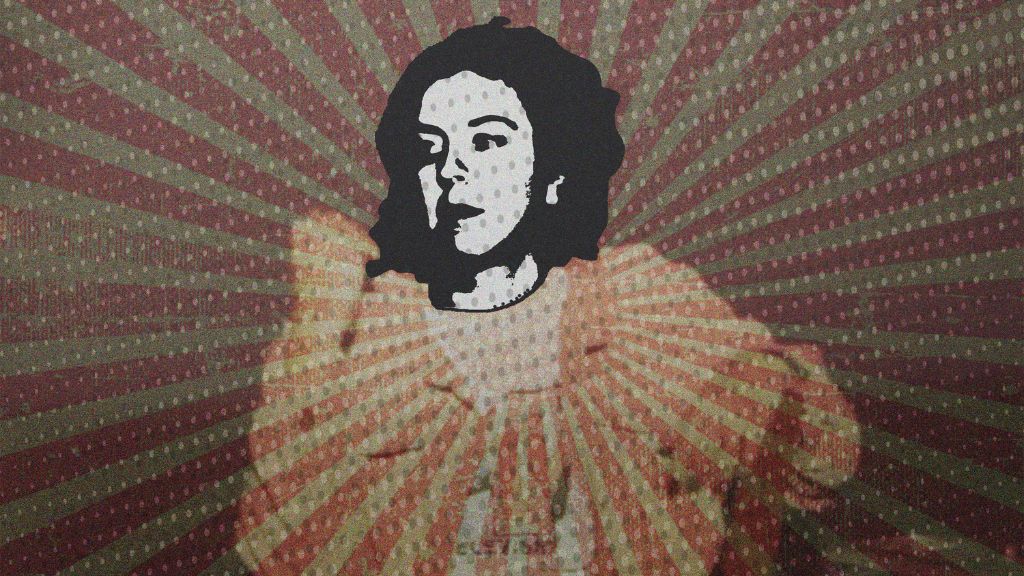
Debbie Harry and Blondie have been a huge inspiration to me. Her fearless style, powerful voice, and the way she commands the stage are things I deeply admire. "Debbie" is a tribute to her impact on music and culture, and it's my way of expressing gratitude for the trail she blazed for artists like me, especially women, in the music industry.
What challenges have you faced as a queer artist in the music industry, and how have you overcome them?
As a queer artist, I've faced unique challenges, but I've overcome them by staying true to myself. From dealing with prejudices to finding a place in a sometimes narrow-minded industry, it hasn't been easy. However, our strong community and unashamed artists have made a difference. While I might have hesitated to openly express my queerness in the past, today I proudly embrace who I am, and I want to inspire others to do the same. There are many people who feel like they can't be themselves, and I want to show them that they can and that they have a place.
How do you approach the songwriting process? Do you start with lyrics, melodies, or a specific theme?
My songwriting process varies. I mostly write about things that happen to me. If I have a bad feeling or am feeling sad, writing helps me process my feelings and deal with them. I always write the lyrics before the melody; it's rare that I'll do the melody first. For me, the lyrics are the most important part. I like to let the song develop organically, allowing each element to influence the others until it all comes together.
Looking ahead, what are your goals for your music career, and what can fans expect from you in the future?
I am passionate about pushing musical boundaries and exploring new sounds. Fans can look forward to more releases and live shows, and catch me at some open mic events. I am thrilled for the upcoming release of my new EP and can't wait to share it with everyone. My ultimate goal is to continue evolving as an artist and to connect with people through my music and art.