Why Old Songs Are Finding New Life in 2026
Perhaps the most interesting musical trend for 2026, and definitely the least predictive, is not about what’s new, it’s about what’s old, and how moments from the late 2000s and early 2010s are re-emerging into the cultural consciousness, not as a retro playlist, but within unexpected viral contexts.
A perfect example?
Jon Hamm Dancing.
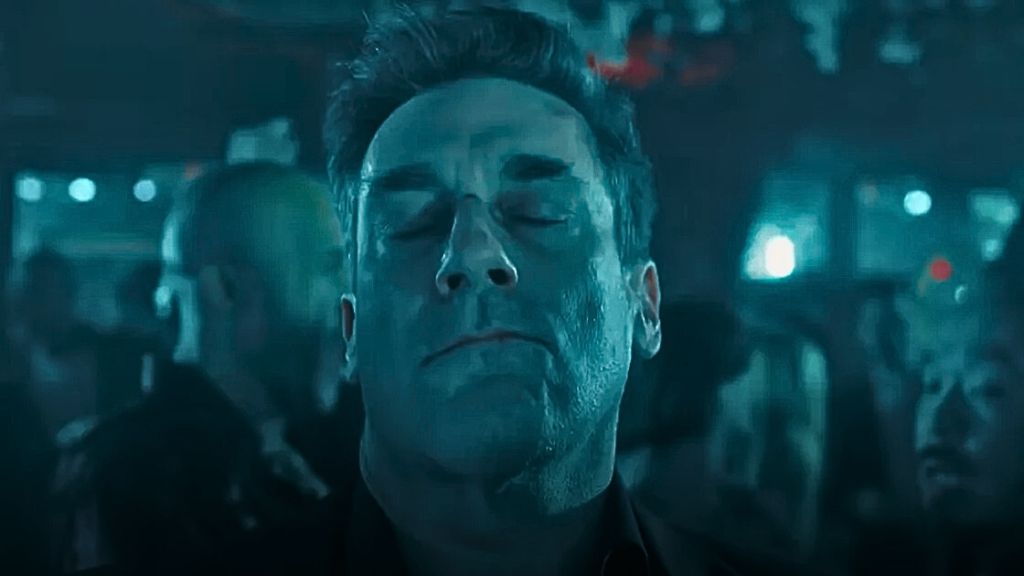
One of the most striking images to come out of the past few years of television is a swift-cut dance party footage from the Apple TV+ show *Your Friends & Neighbors*, a drama that dates all the way back to the spring of 2025. In this recent meme sensation taken from this April release, Hamm's character, the eagerly enthusiastic Andrew “Coop” Cooper, is fully absorbed into the beat, his eyes closed in rapture. On the internet, the meme writes itself:
However, the most fascinating thing here is not the meme.
It’s the song associated with it.
On both TikTok and Facebook, the clip is typically set to 'Turn the Lights Off' by Kato featuring Jon. The song is a 2010 club hit that has a disturbingly current emotional resonance. It originated as a club tune in Europe and has wittingly or unwittingly functioned as a time machine for tired Millennials and Gen Xers—a song that evokes a pre-burnout life of late nights and much-harder-earned freedom.
The surprising thing is that “Turn the Lights Off” is not even the song used in the actual series. *Your Friends and Neighbors* originally used “Sentient System” by Joseph William Morgan, a song from 2023, aptly capturing the modern feel for this series. Virality, however, affected all this. The social platforms decided on their soundtrack; this time, it captured the mood for the meme.
This is exactly how old songs are making a comeback in 2026.
Music no longer exists on a timeline. “A song could have languished for over a decade and suddenly sound even more relevant than one from last Friday.” Instead, it’s alignment and not timeline. When a song reflects a group’s emotion—exhaustion, freedom, happiness, longing—the natural process for the song to resurface occurs.
“Turn the Lights Off” is more than an anthem about club culture in this case—it’s an anthem about a lost sense of physicality. It’s about remembering when “music was something you inhabited, not something you scrolled past.”
This has profound implications for independent artists. This is further evidence that music is not a disposable medium. These back catalogs are living works that only wait for that moment to revive them. Context is as important as advertising. A TV moment, a meme, a joke shared about getting older.
As *Your Friends and Neighbours* prepares for the second season in April 2026, it is clear that the show will inevitably be forced to address the viral life after the scene. Culture has already done the legwork. "Songs won't expire come 2026." They wait. And when the opportune time comes calling, they are seen dancing their way back to relevance. The lights are switched off, but their memories are still