
The Guitar Market in 2026: Faster, Louder, and Still Utterly Bonkers
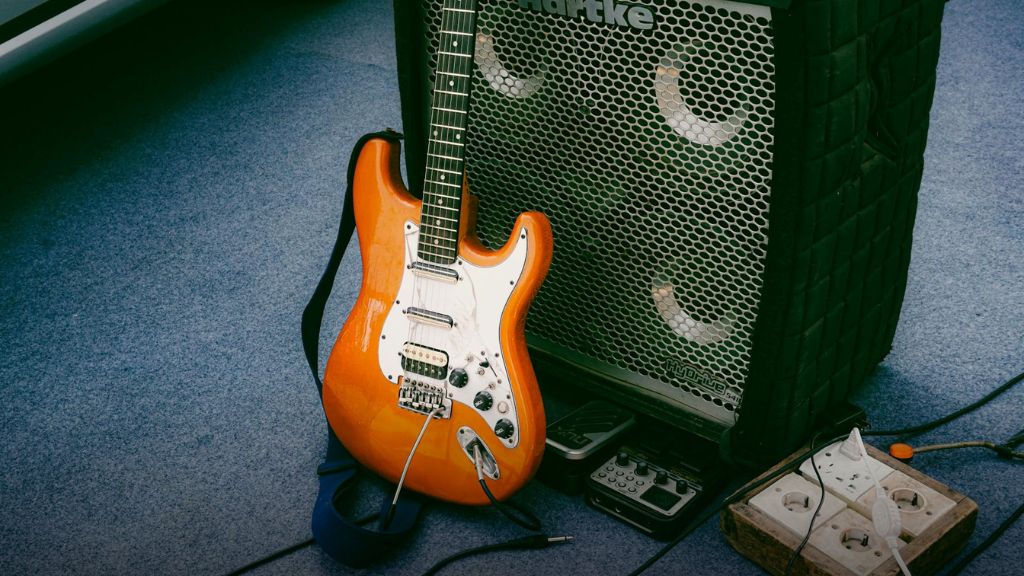
There was a point when buying a guitar was a straightforward affair. You entered a store, lugged home a piece of wood, disputed with the sales assistant over whether a certain model had or hadn’t piqued the interest of a certain Eric Clapton, and went home poor but cheerful. But in 2026, the guitar market—much like the world of modern transportation—finds itself congested and besotted with the keys to innovation and thronged with offerings of which very few will own a genuine need—while the really important stuff improves quietly behind the scenes.
First of all, I'd like to talk about what's worth spending money on, what's absolutely not, and how to avoid ending up with a piece of wood that might look great on Instagram, but plays like a kitchen table.
The Golden Age of “Cheap but Good”
This is the unpleasant reality for guitar snobs: guitars for value in 2026 are ridiculously good. It’s now so player-friendly it’s almost embarrassing if you have to look at a receipt from 1997 with three thousand bucks going into a guitar.
Such brands as Squier, Epiphone, Yamaha, Harley Benton, and Cort are rolling out guitars with good fret jobs, stable necks, adequate pickup systems, and — ready for this?— setups that won’t immediately require the services of a man named Dave and his trusty soldering iron. Today, a Squier Classic Vibe Stratocaster plays so well that a consumer may be left scratching his head and wondering what the point of a "real" Fender is, if the only pleasure to be derived from the experience of playing a "real" Fender is arguing with fanboys on the net.
Harley Benton, on the other hand, is continuing its tradition of corporate sabotage with locking tuners, roasted maple neck, and stainless steel frets for the price of a decent Chinese. Glamorous? Not exactly. But annoyingly effective? Yes.
The point here is simple: if you are spending money between £300 and £600 in 2026 and buying a reputable brand, then you are not settling, you are winning.
The Mid-Range Sweet Spot Nobody Talks About
Finding a golf swing
Now things become more intriguing, and most level-headed folk would cease their commentary at this point. The £700-£1,200 price range in 2026 is analogous to the golden age of hot hatchbacks. It’s a period during which one gets speedy performance with little compromise and absolutely minimal buyer’s remorse.
"The PRS SE models are the poster children of this situation. They're pricey-looking guitars, easy to play, and they sound good enough to let you forget that the headstock doesn’t read ‘Custom Shop.’ The SE Custom 24 is one of the most irritatingly sensible guitars ever produced."
Then there’s Yamaha’s Revstar range: another triumph for understated excellence. None of this hype, just solid, beautifully crafted guitars with an air about them as if they’ve been designed by grown-ups who play the things. They are the equivalent of the Volvo estate car: rough-looking until you play one, then you just can’t get enough.
This is also where you should be looking if resale value is a concern to you. Good, recognizable lines from Fender, Gibson's Studio series, PRS SE, and Ibanez Prestige will remain worth something even if, inevitably, you find yourself saying, “Oh, I'm more of a Tele man, myself."
The High-End Illusion
Above £2,000, guitars become less about improvement and more about justification. Ah, yes, they're beautiful. Ah, yes, the scent of the nitrocellulose lacquer is a hint of history tinged with regret. But the law of diminishing returns bites harder than a dropped Les Paul.
A £4,000 guitar in 2026 will not be four times as good as a £1,000 one. It will be slightly better, perhaps prettier, but certainly much more stressful to possess. You'll worry about scratches. You'll have fights over cases. You'll not take it to pubs with sticky floors.
If it’s what pleases you, buy it. Happiness is a key part of this. Just don’t pretend it’s “better value.” It isn’t.
The Tech Nobody Asked For (But You’ll Get Anyway)
Guitar tech in 2026? Like lane-departure systems in a car: occasionally genius, mostly pesky, and mostly unnecessary. Integrated effects, app-managed tone control, Ai-aided pick-up changes? All cool, all gonna be disabled in a week.
Modeling guitars have not gone away, they're still making the demos sound amazing, but the truth is the market has quietly decided it really wants one killer sound rather than a thousand decent ones. The truth is, the real innovations in technology have been very, very boring: just better tuners, lighter hardware, more stable necks, and pickups that don’t make the sound of an angry refrigerator.
This is progress. Boring, glorious progress.
What Should You Actually Buy?
Buy the guitar that excites you to play. Not the one that YouTube recommended you to buy. Not the one with the most number of switches. Not the one that resembles a design made by a gaming laptop. In 2026, value for money will be good build quality, logical electronics, decent ergonomics, and a brand which will be around in ten years’ time. Spend as much money as you can, but don’t buy the level above ‘luxury,’ and remember this: tone lives in your fingers, not on price. "And if anyone tries to give you different information, you smile and wave and then go and enjoy your perfectly excellent and moderately-priced instrument – preferably while playing it very loudly."