
Rediscovering Marlboro Amps: America’s Forgotten Vintage Tones
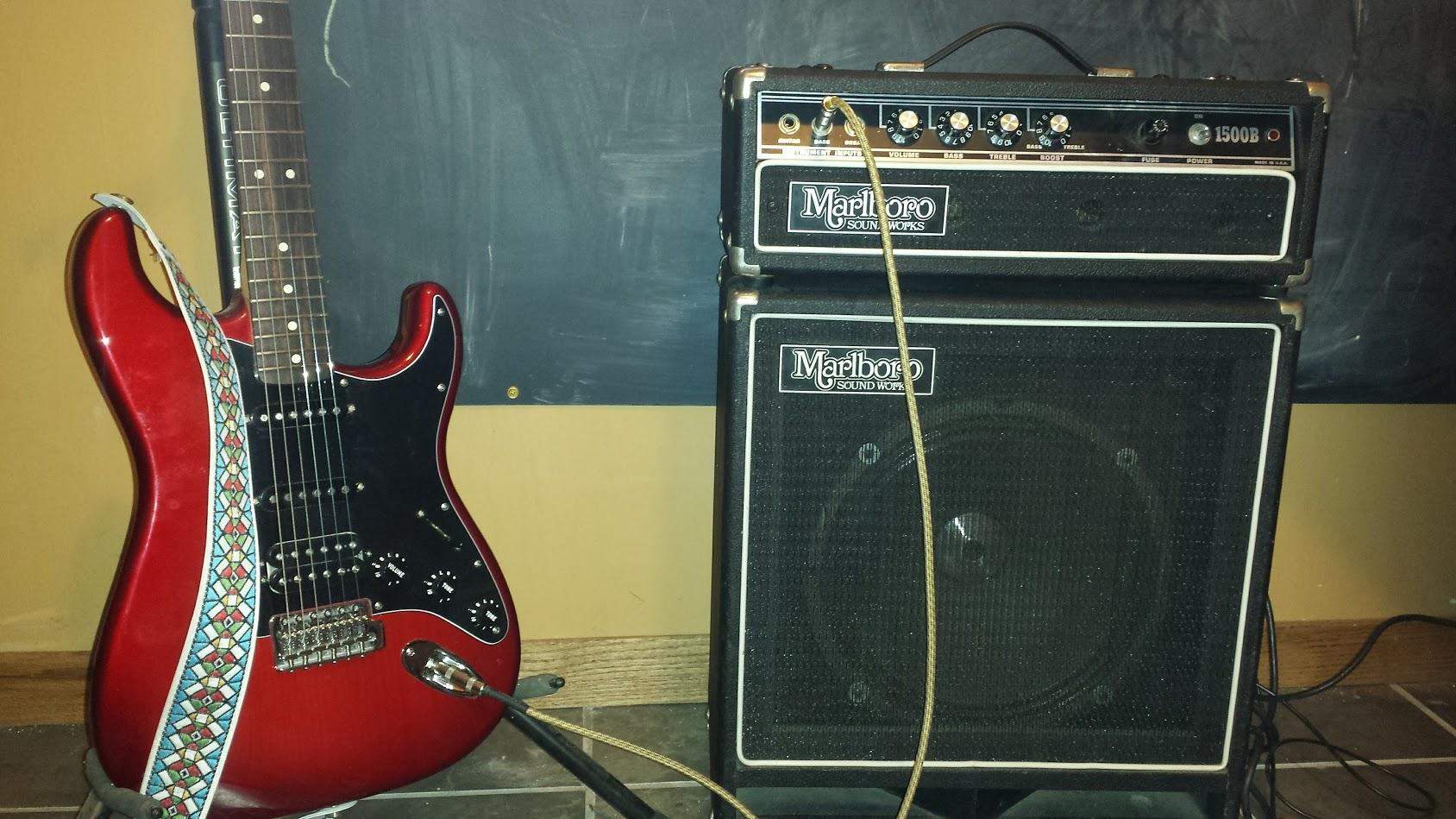
In the dusty corners of practice spaces and the attic stacks of vintage hunters, a humble piece of guitar history sits quietly waiting to be rediscovered: the Marlboro solid state amplifier. These amps, inexpensive, unflashy, and often overlooked, were staples of the late 1970s and early 1980s, offering players a reliable way to turn up without the price tag of high-end tube gear.
Unlike tube amplifiers that have dominated guitar lore, Marlboro amps were built around solid state circuitry, which uses transistors instead of vacuum tubes. Solid state designs were cheaper, more robust, and easier to maintain,ideal for beginners and budget-minded players. Marlboro Sound Works, a brand associated with the Musical Instrument Corporation of America in Syosset, New York, distributed these amplifiers during their heyday, often via catalog retailers like Montgomery Ward.

Models ranged from small practice units to larger combo amps. The 20A, for instance, was a 10-watt solid state practice amp with an 8″ speaker, while the 132A and G-40R offered more power and added features like reverb, EQ controls, and multiple inputs for versatility.
So what did these amps sound like? In their era, Marlboro solid state units delivered a clean, straightforward tone that was warm and clear enough for practice and small gigs. Some models featured onboard effects like tremolo or reverb and even external speaker outputs — quite advanced for budget gear at the time.
One of the biggest modern appeals of old Marlboro amps is how well they pair with effects pedals. Fuzz, overdrive, chorus, and delay all sit comfortably on top of the amp’s neutral foundation, making Marlboro combos ideal pedal platforms. In an era where many players rely on pedals to sculpt their sound, these amps have quietly found a second life.
Another reason Marlboro amps endure is their construction. These units were built simply and sturdily, which has made them favorites among DIY enthusiasts. Some owners swap speakers, recap aging components, or modify EQ sections to coax new sounds from old circuitry. Others prefer to leave them untouched, embracing every hum, hiss, and quirk as part of the amp’s story.
Despite their growing appreciation, Marlboro solid state amps remain relatively affordable on the vintage market. That accessibility mirrors their original purpose, tools for musicians, not museum pieces.
Why Marlboro Still Matters
Marlboro amps may never headline a gear collector’s wish list, but that’s precisely why they matter. They represent a time when music gear was about function, not hype. They lived in garages, rehearsal spaces, and first apartments. They amplified beginner riffs, punk rehearsals, and late-night songwriting sessions.
Today, rediscovering a Marlboro solid state amp feels like uncovering a forgotten chapter of musical history, one where tone was earned, budgets were tight, and creativity mattered more than brand names. In a world obsessed with boutique perfection, Marlboro amps remind us that sometimes, the most interesting sounds come from the most unassuming places.