Accounts Artists Need to Unfollow in 2026
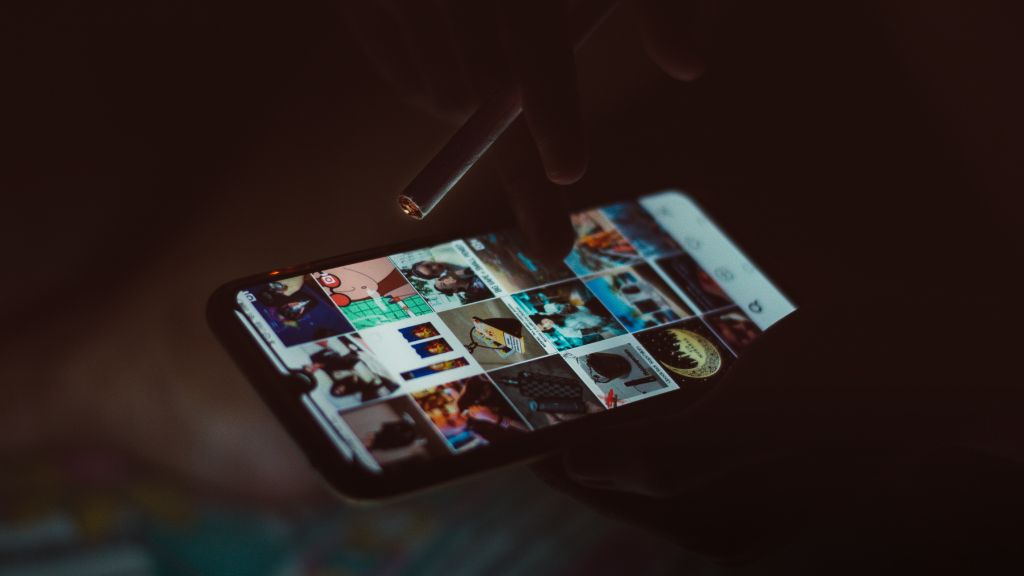
By 2026, attention is the most valuable resource in the artist’s arsenal and it’s under siege. Not through a lack of opportunity, but through an endless deluge of content intended to distract, dilute, and disconnect writers from their own voice.
Here are the accounts that artists should seriously contemplate unfollowing in 2026.
1. Hustle Influencers Monetizing on Anxiety
"If the underlying message of an account is ’you’re already behind,’ then it's not motivation, it's manipulation."
It’s a group of people who promote productivity tips, algorithm panic, and faux urgency in order to sell courses, templates, or secrets that often have nothing to do with making artists grow creatively. Artists aren’t asked to share more content, work harder, or maximize every moment. They require clarity, patience, and time to innovate.
If following someone makes you feel guilty for resting and creating slowly, unfollow.
2. Brands that Cosplay as Community
In the year 2026, brands are louder than ever, but authenticity is thinner.
In many brand accounts, there is regurgitated activist speak, trend riding on cultural phenomena, and feigning interest in “supporting artists” while supplying nothing but exposure and platitudes in return. A brand that has never paid an artist, amplified actual artistic work, and has never made a meaningful commitment is not part of any sort of community; it is only marketing.
Artists need to stop following the brands that draw upon the culture without contributing to said culture in return.
3. AI Slop Accounts
The problem isn’t AI-written content, it’s lazy AI content.
The kinds of accounts that are churning out "mass-produced thought of the day"-type quotes, knockoff art, simulated faces, or generic notions of "creative inspiration" in the form of generated text prompts rather than personal experience are flooding the feeds.
"If an account rings hollow, or seems to be repeating itself, or lacks emotional resonance, trust your gut." Inspiration should be human.
4. Comparison Traps Disguised as Advice
Rather, some boasting narratives claim to educate but are filled with victories and accomplishments.
When every single post is about streams, followers, sold-out shows, or “how fast I grew,” it silently equates artistic expression with a scorecard. Artists come to determine their own worth based on another person’s timeline.
Growth doesn’t require an audience. Art doesn’t require proof.
5. Trend-First, Soul-Last Creators
Awareness of trends is good. Dependence on trends is fatal. Accounts that pursue every sound, every aesthetic, or every shift in platforms urge the artist to trade their identity for relevance. By 2026, the public hungers for voice, not speed. It’s the artists who no longer shape-shift that will endure. “Because if an explanation confuses you instead of clarifying your gut, let the explanation go.”