A conversation with cooper mae
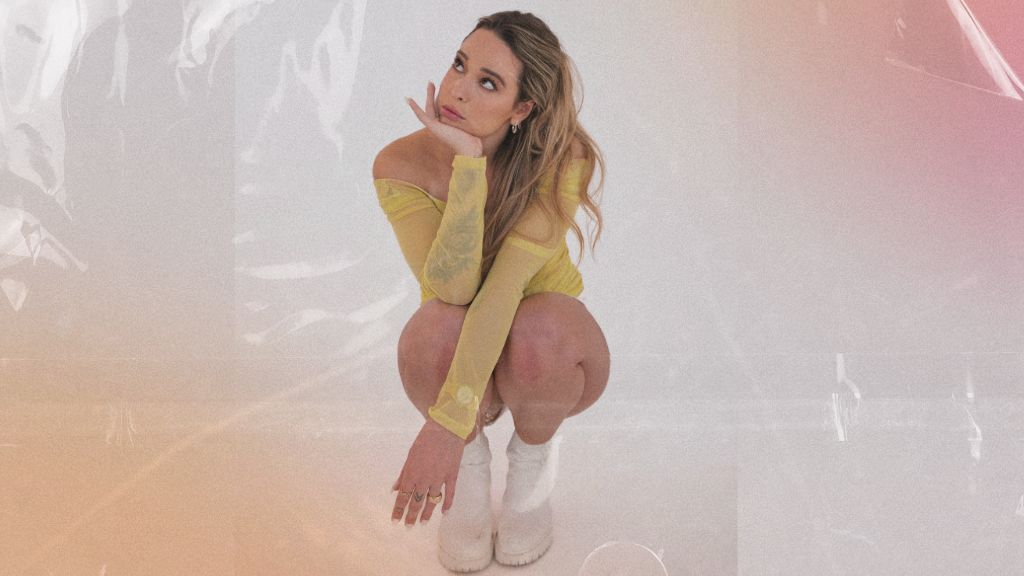
Where can we find you right now and what are you up to?
Right now, you can find me in the DC area, however, I have not transitioned into live shows quite yet, so if you want to find me, my online presence is the best place! Lately, I’ve been deep in album mode: finishing songs, refining visuals, and building a world around my upcoming music that feels honest and lived-in. (All while trying to balance my personal life and all of its’ chaos!)

How would you define success? What is your goal?
Success, to me, is longevity and integrity. It’s making work that feels true to who I am even as I change, and finding the people who feel seen in it/can relate to it. The goal isn’t virality for a moment but rather connection over time. If my songs become something someone returns to during different seasons of their life, that’s success.
How did you start?
I started writing songs long before I ever thought of releasing them mostly as a way to process things in a constructive manner. Music was always where I could be the most honest, but also the most vulnerable. cooper mae came way later, when I realized I didn’t want these songs to live quietly just on paper anymore. It felt less like “starting a project” and more like finally letting myself take up space in the world.
What is a typical day in your life as an artist?
There’s no such thing as a truly typical day, which I think is part of the magic. Some days are very unglamorous. Voice memos, rewrites, mixing, admin tasks, social media, emails. Other days are purely creative: writing lyrics, experimenting with production, or perfecting a melody that won’t leave my head. And then you also have the couch potato days, where I do nothing related to music what so ever. The through-line is consistency though. Showing up again and again even after taking some time off.
What do you think of AI in music?
I see AI as a tool, not a replacement. It can be useful for brainstorming or speeding up certain workflows, but it can’t replicate lived experience, nuance, or emotional risk. The most compelling music still comes from being human and a little (a lot) uncomfortable. AI can assist the process, but it can’t write your truth for you. That’s the best part of art. That’s what keeps it raw and human.
Tell us about your latest or upcoming release.
My upcoming work is something that I like to call slightly unhinged honesty. My new album (‘notes from the archive’ release date TBD) is introspective and emotionally sharp, but still catchy and also quite intimate. The songs are really exploring day to day themes like modern love, self-awareness culture, feminism, and emotional accountability. Just with a bit of humor and bite. To me, it became a collection that feels like flipping through a private archive of thoughts you maybe weren’t supposed to read, but immediately recognize and relate to. I’m really excited to drop it.