A conversation with Allison Tartalia (Allison's Invention)
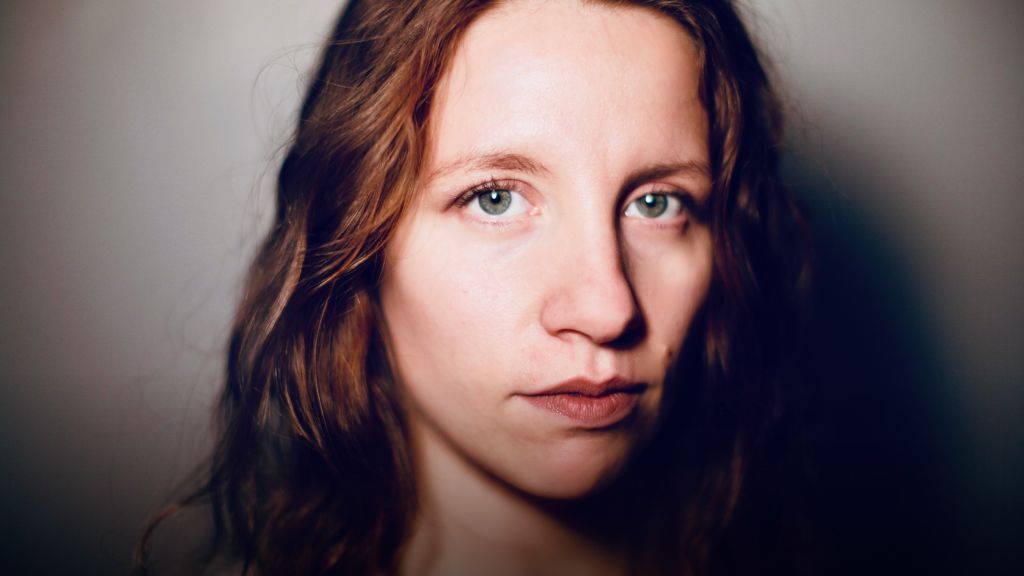
Where can we find you right now and what are you up to?
Currently, I’m spending a lot of time in my recording studio, juggling a few very different projects. I’m finishing up several of my own songs, with the intention of releasing an EP later this year. I’m also currently scoring a short film and producing some songs with my friend and singer-songwriter Alyson Greenfield.
How would you define success? What is your goal?
Really, I just want to keep doing this as long as possible, and I’m grateful that I’m able to be a working musician. In the near future, my goal is to release a lot of new material that I’ve been developing and finally send those songs out into the world. In the long term, it’s to just keep working on interesting projects and collaborating with talented, inspiring people.

How did you start?
I grew up around music. My mom was largely self-taught on piano and guitar and wanted me to have the formal training she wasn’t able to have for herself, so I took classical piano lessons from around age 5. I started writing songs in the fifth grade, during my free time at school. Later in high school I got really into theatre, and after college I spent a number of years auditioning and doing shows while also gigging as a singer-songwriter. Eventually, the music part took over, though I still love theatre and enjoy combining those two art forms together when I compose for film.
What is a typical day in your life as an artist?
It depends on the day, but usually some combination of writing, recording and teaching music.
What do you think of AI in music?
To me, art is about the human experience, flawed and messy though it may be. If you’re removing that element, what’s the point? The writing and arranging of the music is the most fun part as far as I’m concerned, so outsourcing that to an algorithm is not at all appealing to me. Even when I’m stuck on a lyric or struggling to figure out some aspect of the music, I’d rather just wrestle with that or even collaborate with another human artist and see where that takes things. Art is about the process, not just an end product.
Tell us about your latest or upcoming release.
“Over It” is about finding yourself in a challenging situation where you hope that a certain person in your life is going to rise to the occasion, but, for whatever reason, they just don’t have it in them. It’s about making peace with that and not letting the anger and disappointment consume you. It can be painful to let go of the idealized view you held of someone, but the truth is also empowering.